

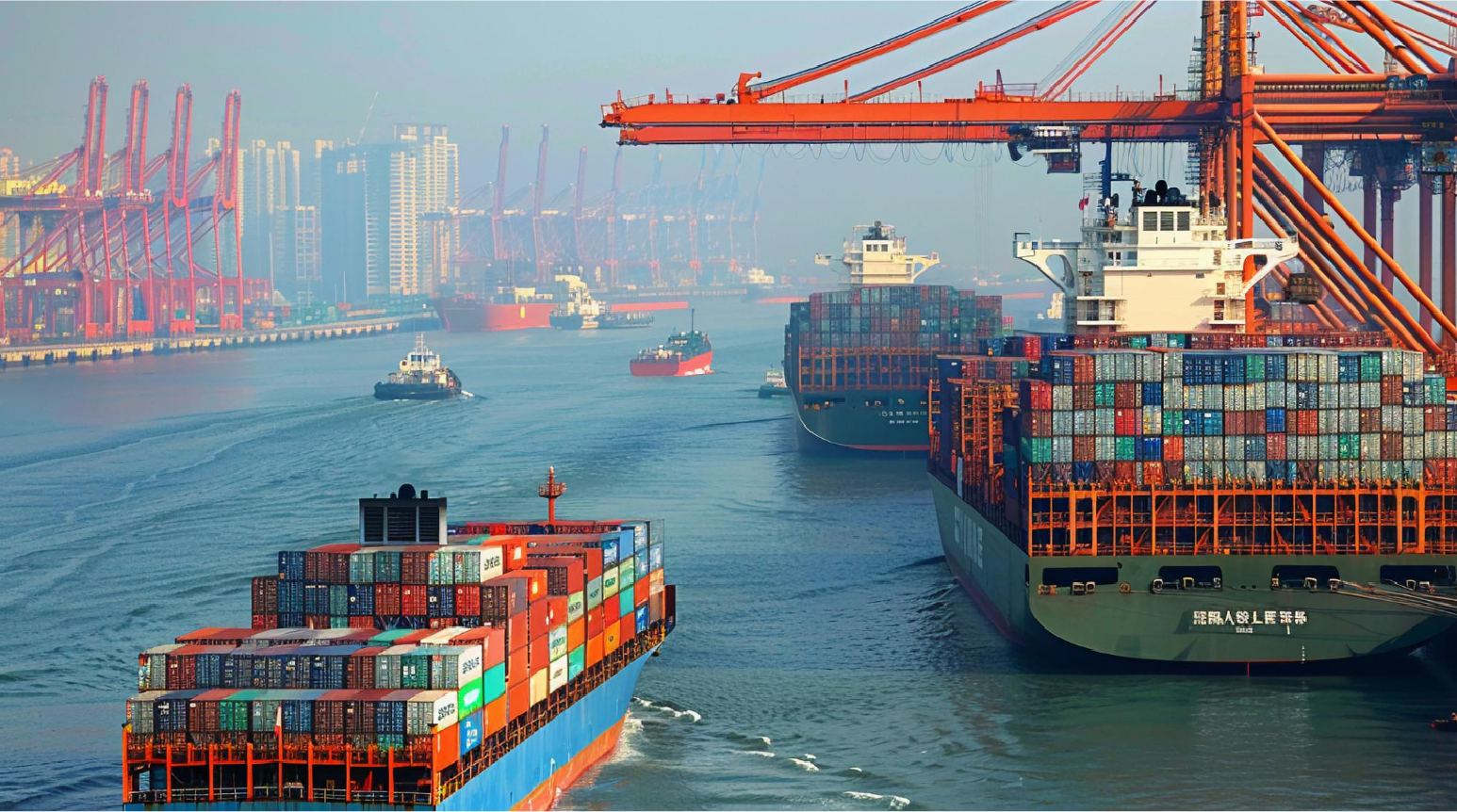
Shift from Cost Efficiency to Risk-Aware Sourcing
Global specialty chemical supply chains are moving from cost-optimised global sourcing to regionally diversified, risk-aware procurement. Over the past decade, cost-led strategies increased supplier concentration and reduced sourcing flexibility; recent disruptions have exposed these dependencies. As has been observed across operations at Quality Speciality Chemicals Pvt. Ltd., sourcing decisions are most effective when aligned with process control, material consistency, and regulatory discipline rather than treated as independent cost functions.
Geopolitical Disruptions and Their Impact
Export controls on chemical intermediates, freight volatility, and shipping disruptions have altered procurement conditions. These changes have increased lead times, introduced cost variability, and, in certain cases, required vendor transitions. In addition, allocation risks and reduced predictability across supply lanes have made sourcing less stable. Under such conditions, availability alone is insufficient – materials must consistently meet defined technical specifications across batches, without deviation in performance or compliance.
Complexities in Supplier Diversification
Supplier diversification in specialty chemicals is constrained by technical and regulatory realities. Variations in raw material purity – even at ppm levels – can alter reaction kinetics, affect yield, and destabilise formulations. In practice, onboarding new suppliers requires structured qualification involving laboratory validation, pilot trials, and production-scale batch approvals, often extending over several months, with failed trials or inconsistencies directly impacting timelines and production planning. This is further supported by process revalidation, REACH and TSCA documentation, and formal change control protocols, including customer re-approvals where applicable. The management approach at Quality Speciality Chemicals Pvt. Ltd. has been to treat each supplier addition as a controlled integration into validated systems, rather than a simple expansion of sourcing options.
Operational Depth in Supplier Management
Supplier performance is governed through defined control systems. Certificates of Analysis (COA) are verified against internal specifications, supported by lot traceability and batch-level consistency monitoring. In parallel, upstream visibility into feedstock conditions enables early identification of disruptions. This reduces reliance on reactive sourcing decisions that can introduce variability into tightly controlled manufacturing processes.
Inventory Strategy as a Technical Constraint
Inventory in specialty chemicals is constrained by stability, safety, and compatibility requirements. Shelf-life limitations, storage compatibility, and hazardous material handling directly influence stocking decisions. Material degradation over time and incompatibility across chemical classes must be accounted for. As has been implemented within Quality Speciality Chemicals Pvt. Ltd., inventory is calibrated – not maximised – to maintain continuity without introducing safety, compliance, or performance risks.
Production Planning Under Constraint
Changes in raw material sources typically require process revalidation, affecting production timelines and operational flexibility. This creates a direct linkage between procurement decisions and manufacturing output. Integrating procurement, quality, and production planning ensures that sourcing adjustments do not disrupt validated process conditions or compromise batch consistency.
Engineering Supply Chains for Reliability
In specialty chemicals, resilience is not achieved through scale but through control. Supplier networks are structured around qualification, traceability, and consistency, while manufacturing systems are aligned to handle input variability within defined limits. The approach adopted at Quality Speciality Chemicals Pvt. Ltd. reflects a shift toward systems designed to absorb variability without compromising performance or compliance.
Conclusion: Reliability Over Optimisation
The shift underway is structural. Supply chains are moving away from cost optimisation toward reliability-driven execution. In specialty chemicals, performance is defined by the ability to maintain specification, compliance, and batch consistency under variable supply conditions – without disruption to validated processes.