
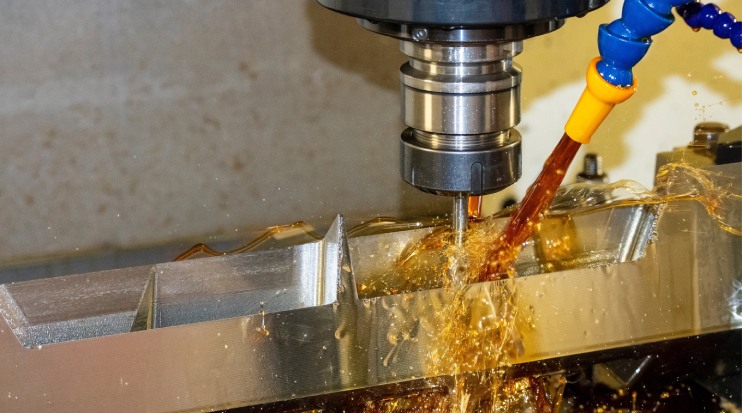
In today’s manufacturing landscape, where precision, speed, and sustainability are critical, metalworking fluids (MWFs) play an indispensable role. Once seen as just another consumable, these fluids are now being recognized as performance enablers—contributing significantly to operational efficiency, tool life, and product quality.
As industries embrace advanced machinery, automation, and sustainability, the demand for high-performance semi-synthetic and synthetic metalworking fluids is accelerating. This evolution is not just a trend—it is a strategic necessity for manufacturers seeking to stay ahead in a competitive, quality-driven market.
The Critical Role of Metalworking Fluids
Metalworking fluids are essential for processes such as machining, grinding, forming, and finishing.
They ensure:
- Efficient heat dissipation
- Enhanced surface finish
- Longer tool life
- Corrosion resistance
- Chip removal and debris flushing
Without the right fluid, even the most advanced CNC machines and tooling systems can underperform. As production speeds increase and tolerances become tighter, the quality and compatibility of MWFs directly influence productivity, machine uptime, and end-product consistency.
What’s Fueling Market Growth?
The global MWF market is expanding rapidly, driven by several key factors:
- Industrial automation is pushing the limits of lubrication systems, requiring higher lubricity and temperature stability.
- CNC and precision machining in sectors like automotive, aerospace, and medical devices demand ultra-clean, low-residue fluids.
- Manufacturing growth in emerging economies such as India, Southeast Asia, and MENA is creating robust demand for cost-effective and high-performance fluids.
- Sustainability expectations from OEMs and regulators are reshaping fluid formulation priorities.
Together, these drivers are shifting the market toward advanced formulations that offer not only superior performance but also reduced environmental impact.
From Conventional to Cutting-Edge: Technology Shifts
Traditionally, mineral oil-based fluids were the norm. However, with the rise of high-speed machining and precision component manufacturing, there’s been a clear shift toward semi-synthetic and fully synthetic fluids.
Modern fluids are now designed with:
- Superior thermal stability
- Extended sump life
- High lubricity
- Anti-foaming and anti-wear properties
Advanced additives and emulsifiers have enhanced the capabilities of MWFs to handle complex geometries, tight tolerances, and multi-metal compatibility. This has opened doors to new applications and improved overall process efficiency.
Environmental Regulations as Innovation Catalysts
Global regulatory frameworks such as REACH, OSHA, and VOC limitations are reshaping the metalworking fluid industry.
Manufacturers are now required to provide:
- Low-toxicity formulations
- Water-based or biodegradable fluids
- Fluids with minimal environmental footprint
This regulatory push has led to a surge in research and development, resulting in products that are safer for operators, easier to dispose of, and more sustainable over their lifecycle. For many global tenders and procurement evaluations, sustainability certifications are now a deciding factor.
Why Semi-Synthetic and Synthetic Oils Are Taking the Lead
The balance between cost-efficiency and performance has positioned semi-synthetic fluids as the go-to choice for many high-volume manufacturing setups.
They blend mineral oil and water-based properties, offering:
- Better cooling than straight oils
- Lower mist and residue
- Affordable maintenance cycles
Meanwhile, synthetic oils are finding favor in operations that demand extreme thermal performance, longer service intervals, and superior cleanliness.
These include:
- Aerospace component machining
- High-speed CNC drilling
- Multi-shift precision workshops
With extended tool life, fewer fluid changeovers, and reduced waste disposal, these oils significantly cut down operational costs while boosting reliability.
Rising Demand for Removal and Protection Fluids
Post-machining processes are just as crucial. Specialized fluids for cleaning, rust prevention, and protective coatings are gaining popularity. Integrated solutions that deliver both high machining efficiency and post-process surface protection are becoming standard in industries such as automotive, general engineering, and tooling.
Shifting Preferences of Key End-Users
Different sectors are shaping fluid innovation with unique requirements:
- Automotive OEMs demand compatibility with a variety of materials—aluminum, titanium, and specialty alloys.
- Aerospace manufacturers prefer low-residue, high-film-strength fluids that perform at extreme speeds and pressures.
- Heavy machinery producers are prioritizing long-life coolants that reduce the need for frequent maintenance.
- Manufacturers must tailor formulations that not only perform technically but also align with the operational and regulatory needs of each sector.
Challenges and Opportunities Ahead
The industry faces several key challenges:
- Balancing high performance with biodegradability
- Addressing operator safety and fluid longevity
- Navigating cost pressures in emerging economies
However, these challenges present opportunities—especially for Indian and Asian manufacturers—to innovate in customized, sustainable formulations and compete on a global stage.
What Lies Ahead: Smarter Fluids for Smarter Factories
The future of metalworking fluids is intelligent, clean, and high-performing.
We can expect:
- Broader adoption of smart fluids with anti-bacterial, anti-corrosion, and condition-responsive properties
- Integration with digital monitoring systems for real-time tracking of fluid health
- Continued push toward low-VOC, long-life, and circular-use products
As smart manufacturing and Industry 4.0 gain traction, MWFs will no longer be static consumables—they will be adaptive systems contributing to predictive maintenance and sustainable operations.
The rise of high-performance semi-synthetic and synthetic oils marks a transformative chapter in precision manufacturing. By aligning performance, sustainability, and smart design, these fluids are helping manufacturers meet the demands of modern engineering with efficiency and responsibility.